
WUXUAISBI
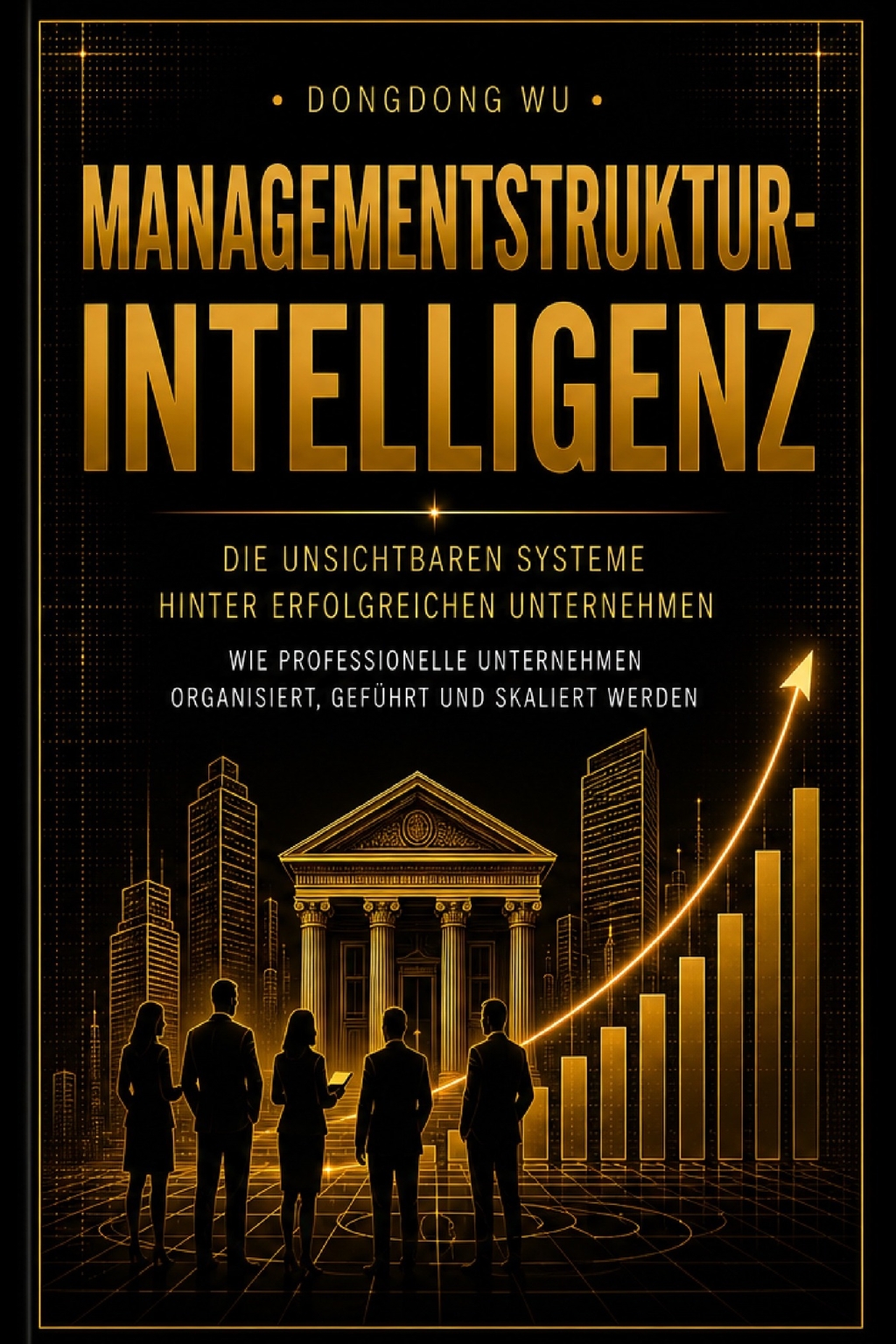
Management Structure Intelligence

Volume 4 / Management

Management Structure Intelligence

The invisible systems behind successful companies.

A leadership model for organization, employees, management systems, KPI logic and decision capability.

2026Leadership, organization, employees, systems
Think reports with source, calculation path and individual positions
Derive decisions from real data instead of gut feeling
Connect operational work and strategic control
Experience sampleKindle

Coming soon: Planned for June 16, 2026

Audience

Managing directors, controllers, consultants and decision-makers with several areas of responsibility.

Table of contents

  1. Chapter 1: Why Management Is More Important Than Many Entrepreneurs Realize
  2. Chapter 2: Why People Work Differently in Companies Than Many Entrepreneurs Believe
  3. Chapter 3: The Invisible Pitfalls of Poor Leadership
  4. Chapter 4: Why Growth Destabilizes Weak Companies
  5. Chapter 5: The Architecture of Resilient Companies
  6. Chapter 6: Why Many Entrepreneurs Hinder Their Own Growth
  7. Chapter 7: Corporate Culture as an Invisible Operating System
  8. Chapter 8: How Chaos Transforms into a Professional Enterprise
  9. Chapter 9: Why Clear Decisions Strengthen Companies
  10. Chapter 10: Why Clear Communication Makes Companies More Efficient
  11. Chapter 11: Why Companies Need Clear Accountability Structures
  12. Chapter 12: Why Companies Need Clear Priorities
  13. Chapter 13: Why Companies Become Unstable Without Clear Rules
  14. Chapter 14: Why Companies Gradually Lose Control Without Proper Oversight
  15. Chapter 15: Why Companies Lose Direction Without Clear Goals
  16. Chapter 16: Why Companies Without a Culture of Accountability Stagnate
  17. Chapter 17: Why Emotional Leadership Destabilizes Companies
  18. Chapter 18: Why Companies Lose Quality Without Clear Standards
  19. Chapter 19: Why Meeting Systems Stabilize Companies
  20. Chapter 20: Why KPI Systems Enhance Corporate Transparency
  21. Chapter 21: Why Companies Need Clear Escalation Paths
  22. Chapter 22: Why Documentation Relieves Burdens on Businesses
  23. Chapter 23: Why Strong Companies Delegate with Greater Confidence
  24. Chapter 24: Why Strong Teams Need Clear Ground Rules
  25. Chapter 25: Why Companies Without Structure Keep Repeating the Same Problems
  26. Chapter 26: Why Many Entrepreneurs Struggle to Let Go
  27. Chapter 27: Why Control Can Become Addictive
  28. Chapter 28: Why Entrepreneurs Often Create Chaos Themselves
  29. Chapter 29: Why Growth Requires Emotional Maturity
  30. Chapter 30: Why Successful Entrepreneurs Make Decisions More Calmly
  31. Chapter 31: How Truly Professional Companies Are Built
  32. Chapter 32: Why Strong Companies Experience Less Chaos
  33. Chapter 33: Why Systems Are Becoming More Crucial Than Individual People
  34. Chapter 34: From Startup to Established Organization
  35. Chapter 35: The Invisible Systems Behind Stable Companies
  36. Chapter 36: Why Long-Term Business Success Is Rooted in Organizational Structure

Free excerpts

Chapter 1 excerpt

Why Management Is More Important Than Many Entrepreneurs Realize

1.1 Growth Alone Does Not Solve Organizational Challenges Many entrepreneurs believe that hard work and increasing revenue will automatically lead to business success. While this often holds true when a company is small, decisions are made quickly, communication is direct, and pr...

Book -> chapter -> structure model -> practical orientation

Chapter 2 excerpt

Why People Work Differently in Companies Than Many Entrepreneurs Believe

2.1 Why Motivation Is Often Misunderstood Many entrepreneurs assume employees primarily work for money. Of course, compensation plays an important role. But long-term motivation rarely stems from salary alone. Employees also seek the following within a company: Security, Recognit...

Book -> chapter -> structure model -> practical orientation